

The Role of Emotions in Gambling
Emotions play a pivotal role in the decision-making processes of casino players. When individuals enter a casino, they are often driven by excitement, anticipation, and the thrill of potentially winning a jackpot. This emotional high can lead to impulsive behaviors, where players may choose to wager more than they initially intended. The exhilaration felt during gameplay can create a sense of euphoria that clouds judgment, prompting individuals to consider factors such as best sportsbook bonuses in their decision-making to justify larger bets.
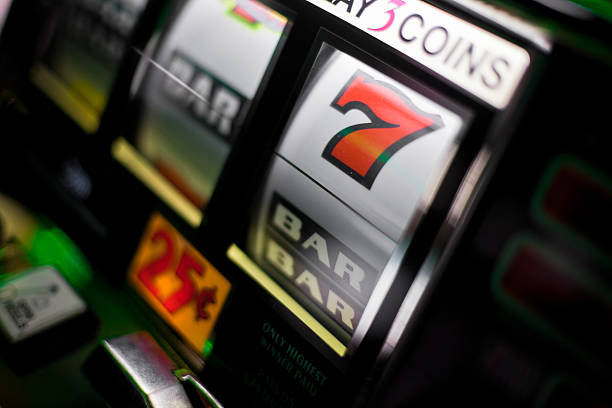
Furthermore, the psychology of loss aversion often comes into play. Players may be more motivated to continue betting after a loss, driven by the belief that they can recover their money. This emotional rollercoaster can lead to a phenomenon known as the “gambler’s fallacy,” where individuals incorrectly believe that past outcomes influence future results, reinforcing their commitment to play despite unfavorable odds.
Cognitive Biases and Their Impact
Cognitive biases significantly influence casino player behavior, as they shape how individuals interpret outcomes and make decisions. One common bias is the availability heuristic, where gamblers assess the likelihood of winning based on memorable experiences, such as hearing about someone’s big win. This can create an illusion of control, leading players to overestimate their chances of winning. Consequently, they may place larger bets, convinced that luck is on their side.
Additionally, the illusion of control extends into the realm of skill-based games, where players believe that their choices can directly affect outcomes. This sense of agency can enhance their gaming experience, but it may also lead to poor judgment. Players often fail to recognize that many games are ultimately based on chance, which can lead to decisions that aren’t aligned with the mathematics of the games they are playing.
The Influence of Social Factors
Social dynamics also play a crucial role in shaping casino player behavior. The environment of a casino, filled with other players, staff, and the buzz of excitement, creates a social atmosphere that can significantly affect decision-making. Players often feel a sense of camaraderie when gambling in groups, which may encourage them to take greater risks. The desire to impress friends or peers can amplify this risk-taking behavior, sometimes leading to larger bets than they would consider when playing alone.
Observational learning is another important element in this context. Players may emulate the behaviors of others they observe around them, believing that these actions could lead to similar successes. This social influence can perpetuate cycles of both winning and losing, as players might adopt excessive betting patterns simply because they witnessed someone else do so, further complicating their decision-making processes.
The Effects of Environment and Design
The physical and sensory environment of a casino is meticulously designed to enhance player engagement and retention. The use of lighting, sounds, and layout creates an immersive experience that can alter perceptions of time and probability. Research indicates that players are more likely to lose track of time in an enticing environment, leading to longer play sessions and increased betting.
Additionally, the layout of games and the placement of high-stake machines are strategically planned to draw attention and entice players to engage more deeply. These design elements can manipulate players’ emotional states, encouraging them to make decisions in a heightened emotional context, often leading them to gamble more recklessly than they would in a different environment.

Understanding Player Behavior to Enhance Experiences
Understanding the psychology behind casino player behavior is essential for both operators and players. Casinos can benefit from this knowledge by creating responsible gaming programs that promote informed decision-making among players. By educating individuals about the psychological factors that influence their behavior, casinos can foster a safer gaming environment.
For players, becoming aware of their own psychological triggers can lead to more controlled and enjoyable gaming experiences. Recognizing the emotional, cognitive, and social influences at play can empower individuals to make better decisions and manage their gambling habits effectively.